Can Dental Bonding Fix Misshapen Teeth?
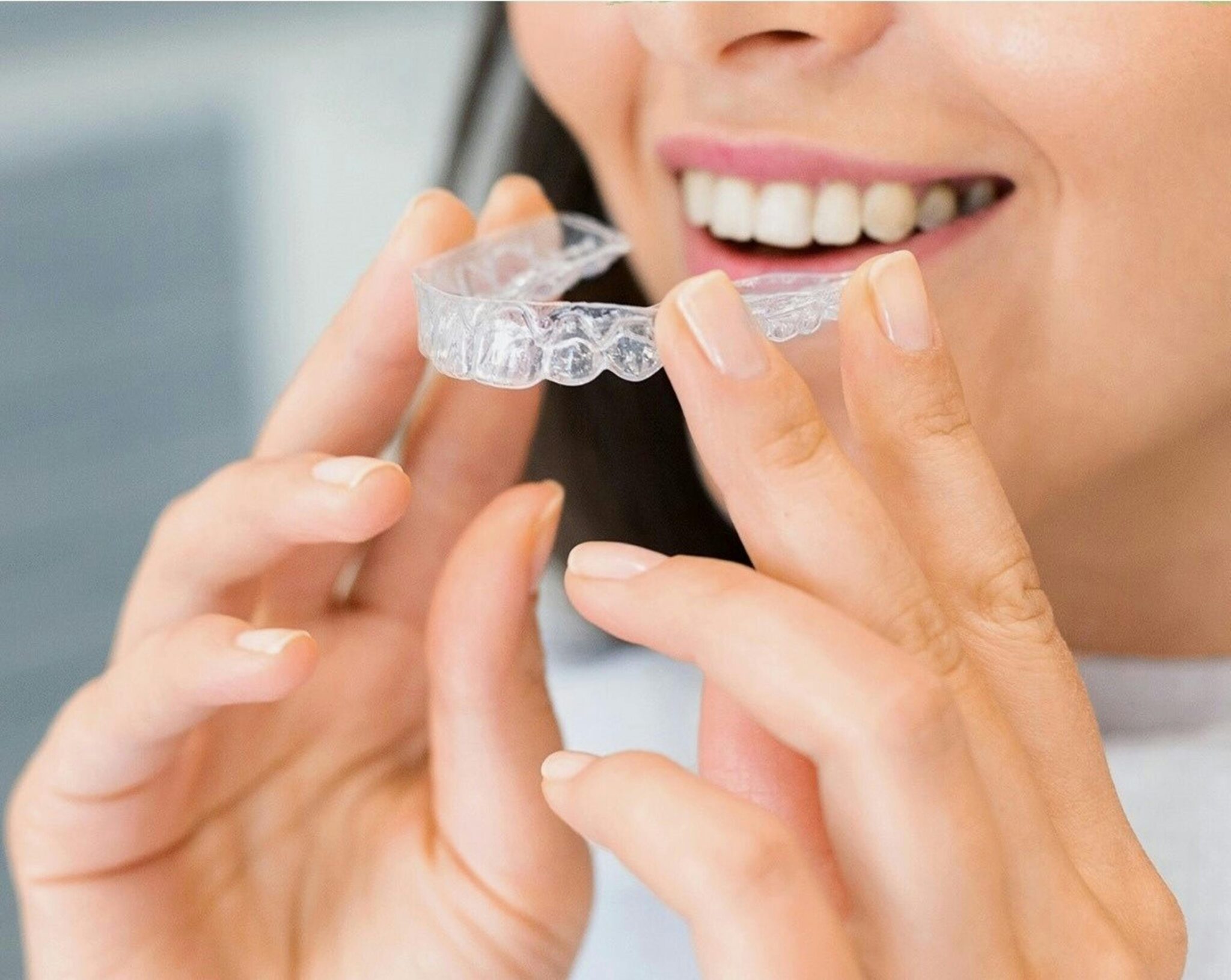
A misshapen tooth does not have to be badly diseased or structurally weak to bother someone every time they smile. In practice, that is often the real issue. A tooth may be healthy, stable, and pain-free, yet still look too small, too rounded, too pointed, chipped at the edge, or out of balance with the teeth beside it. Those details matter more than people sometimes expect. Tiny asymmetries can change the look of the whole smile.
Dental Bonding is one of the most common ways dentists address that kind of problem. It is conservative, relatively affordable compared with veneers or crowns, and often completed in a single visit. For the right case, it can make a surprisingly dramatic difference. For the wrong case, it can stain, chip, feel bulky, or simply fail to give the patient the result they imagined.
So, can Dental Bonding fix misshapen teeth? Often, yes. The better answer is that it can improve the shape, balance, and visual harmony of many teeth very effectively, but its success depends on what is actually wrong with the tooth, how much correction is needed, and whether bonding is being used for appearance, function, or both.
What dentists mean by a misshapen tooth
Patients use the phrase "misshapen tooth" to describe a wide range of concerns. Sometimes they mean a tooth that is naturally small or peg-shaped. Lateral incisors are a classic example. A person may also have one front tooth that is slightly shorter than the other, a canine that looks too sharp, or an incisor with a corner worn down after years of grinding. In other cases, the tooth itself is normal, but it appears misshapen because of crowding, rotation, gum contour, or the position of neighboring teeth.
That distinction matters. Bonding works on the visible shape and contour of the tooth. It does not move teeth into better alignment. It does not correct the bite in the way orthodontics can. It does not rebuild a severely weakened tooth as predictably as a crown. But when the issue is size, contour, edge position, or surface anatomy, bonding is often exactly the tool a dentist reaches for.
A simple example helps. If a patient has a lateral incisor that looks noticeably narrower than the matching tooth on the other side, composite bonding can be added to widen it and create symmetry. If the problem is that the same tooth sits twisted behind the others, bonding may camouflage some of that, but braces or clear aligners usually address the root cause far better.
How Dental Bonding actually works
Dental Bonding uses a tooth-colored composite resin, the same general class of material used for many white fillings. The dentist prepares the tooth surface, applies an adhesive, places the composite in layers, sculpts the material into the desired form, hardens it with a curing light, and then refines and polishes it until it blends with the natural enamel.
Done well, this is not a crude patch. It is a small sculptural procedure. Shade selection, translucency, line angles, edge shape, and polish all influence whether the final tooth looks natural or obvious. Experienced cosmetic dentists pay close attention to tiny details because those are what make a bonded tooth disappear into the smile rather than stand out.
One reason patients like bonding is that it usually preserves healthy tooth structure. A veneer often requires some enamel reshaping. A crown requires more substantial reduction. Bonding may involve little to no drilling at all, especially when the goal is to add to the tooth rather than cut it down. That conservative approach is a major advantage, particularly for younger patients or anyone hesitant to commit to more invasive treatment.
The kinds of misshapen teeth bonding can improve well
Bonding tends to perform best when the changes are moderate and the tooth is otherwise healthy. Some of the most satisfying results come from small to medium cosmetic refinements. The treatment is especially useful when the patient wants a visible improvement without a long timeline or laboratory-made restorations.
Here are common situations where bonding often works very well:
- Teeth that look too small, narrow, or uneven compared with neighboring teeth
- Minor chips, worn corners, or flattened edges that affect smile symmetry
- Peg laterals and other developmental shape differences in front teeth
- Small gaps that make a tooth look undersized or out of proportion
- Slightly pointed canines or irregular contours that soften well with reshaping
These are the cases where Dental Bonding often shines. A patient can walk in with a front tooth that looks oddly short or narrow and walk out with a tooth that feels balanced, intentional, and natural. The change may not involve major dentistry, but the visual effect can be substantial.
I have seen patients fixate for years on one front tooth that nobody else could stop staring at once it was pointed out. Often it is a tiny shape discrepancy, perhaps one incisal edge worn half a millimeter shorter than the other. Bonding is ideal there. It can restore that missing corner or edge and reestablish symmetry with very little intervention.
Where bonding has limits
This is where clinical judgment matters. Bonding can do a lot, but it cannot do everything well. Patients sometimes arrive hoping bonding will solve a problem that really calls for orthodontics, porcelain veneers, or a crown.
If a tooth is severely rotated, highly crowded, or positioned far out of line, bonding may only camouflage the issue, sometimes by making the tooth appear bulkier. If a tooth has a large existing filling, structural cracks, or extensive loss of enamel, a more durable restoration may be the safer option. If the patient clenches or grinds heavily, front-edge bonding can chip repeatedly unless the bite is managed and a night guard is worn.
Color is another consideration. Bonding can be matched closely to natural teeth, but composite does not resist staining the way glazed porcelain does. Coffee, tea, red wine, smoking, and poor polishing habits can dull or discolor the surface over time. For someone seeking a very bright, long-lasting cosmetic makeover, veneers may hold their appearance better.
There is also the issue of scale. Bonding is excellent at selective change. It is less ideal when someone wants a full smile transformation involving multiple teeth, significant color change, and long-term stain resistance. In that situation, porcelain may be worth discussing, despite the greater cost and preparation.
Bonding versus veneers for shape correction
Patients often compare Dental Bonding and veneers because both can improve tooth shape. The right choice depends on priorities rather than a single universal rule.
Bonding is generally more conservative and more affordable. It is often reversible or at least minimally invasive, depending on how much preparation was needed. It can be completed quickly, usually in one appointment. Repairs are straightforward if a small chip occurs. For a modest shape problem on one or two teeth, it is often the logical first option.
Veneers tend to be more durable in appearance. They resist staining better, maintain polish well, and can create very refined cosmetic changes. They also cost more and usually involve laboratory fabrication and at least two visits. Some enamel removal is commonly required. For patients making bigger aesthetic changes or seeking maximum longevity in the smile zone, veneers may be the better investment.
An honest conversation about expectations is essential. If someone wants a tooth to look more even and natural, bonding may be all they need. If they want the kind of uniform, highly polished transformation often seen in major cosmetic cases, bonding may not satisfy them for as long or as predictably.
Why bite and tooth position matter more than people expect
A bonded tooth does not exist in isolation. It lives inside a bite. That matters every time a person speaks, chews, bites into a sandwich, or grinds while asleep. A front tooth that looks perfect in the mirror can chip quickly if the biting forces on it are wrong.
This is one of the https://troyffkp767.image-perth.org/can-dental-bonding-close-small-gaps-without-braces most common reasons some bonding lasts many years and some does not. The material itself is useful and reliable, but it is not indestructible. If an upper front tooth hits a lower tooth edge-to-edge every time the jaw closes, a beautifully sculpted bonded edge can break sooner than expected. The same is true in patients with deep bites, strong clenching habits, or untreated grinding.
Good dentists evaluate not just the shape of the tooth but the function around it. Sometimes that means adjusting the bite slightly. Sometimes it means recommending orthodontics first. Sometimes it means saying no to a cosmetic idea that looks attractive on paper but is likely to fail in the mouth.
Patients appreciate speed, but durable cosmetic dentistry rarely comes from rushing the diagnosis.
What the appointment is usually like
One reason Dental Bonding remains so popular is that it is usually simple from the patient's perspective. If no anesthesia is needed, the visit can feel more like a detailed cosmetic procedure than traditional dental work. The dentist assesses shade, cleans the tooth, lightly prepares the surface if needed, places bonding agents, sculpts the composite, cures it, and then contours and polishes.
For a single front tooth, the process might take anywhere from 30 minutes to over an hour, depending on complexity. If the dentist is closing a gap and reshaping two teeth for symmetry, the appointment may be longer. Highly aesthetic cases take time because the final polish and contour are what make the result believable.
Patients often notice the difference immediately. The reaction can be surprisingly emotional. A tooth that has looked awkward for years suddenly sits in proportion with the rest of the smile. That instant result is one of the biggest practical advantages of bonding.
How long bonding lasts on misshapen teeth
This answer varies because the material is only one part of the equation. On average, cosmetic bonding can last several years and often longer when the case is well chosen and the patient takes care of it. Small repairs on edges may need maintenance sooner than broader, lower-stress additions on the side of a tooth. A patient who bites pens, tears packets with the front teeth, chews ice, or grinds at night will generally get less life out of bonding than someone without those habits.
The range people hear most often is roughly three to ten years, but that range is broad for a reason. A carefully bonded peg lateral in a stable bite may look good for many years with minor polishing maintenance. A bonded incisal edge on a heavy grinder may chip repeatedly within a much shorter period unless a guard is used.
Composite also changes subtly with time. It can lose some luster, pick up surface stain, or develop wear at the margins. That does not mean it has failed. Often it simply needs polishing, touch-up, or replacement after years of service.
The cost question patients usually ask early
Bonding is generally one of the more budget-friendly cosmetic options, but fees vary by region, by the complexity of the case, and by the dentist's experience. A tiny edge repair is a very different procedure from detailed reshaping of multiple visible front teeth. Insurance may help if the bonding repairs damage or serves a restorative purpose, but purely cosmetic changes are often out of pocket.
The important point is value, not just price. A lower fee does not mean better value if the result looks opaque, bulky, or chips within months. Equally, not every small shape issue requires a premium porcelain solution. The best treatment is the one that matches the clinical need and the patient's priorities.
Patients sometimes regret choosing a more aggressive option too quickly for a problem that could have been handled conservatively. Bonding is often a sensible starting point because it preserves options for the future.
When bonding is the wrong answer
Some teeth look misshapen because they are worn down from an unstable bite. Others have developmental defects, deep discoloration, or large old restorations that compromise the tooth more than a casual glance suggests. If the tooth has significant structural loss, repeated fracture history, or limited enamel for bonding, composite may not be the strongest long-term plan.
There are also aesthetic situations where bonding cannot create the illusion the patient wants. A tooth that is heavily rotated may need so much added material to look straight that the final shape feels thick or overbuilt. A very dark tooth may show through the composite. A patient seeking a very bright white smile may later notice that bonded areas do not whiten with bleaching in the same way natural enamel can.
This is where a careful exam, photos, and sometimes a mock-up are useful. Cosmetic dentistry is as much about restraint as it is about enhancement. The best dentists are comfortable saying, "This can be improved, but not ideally with bonding alone."
How to tell if you are a good candidate
A good candidate usually has healthy gums, stable teeth, enough enamel for reliable adhesion, and a shape problem that can be corrected by adding or lightly reshaping material. Expectations matter just as much. People happiest with bonding usually want natural improvement, not perfection under a magnifying glass.
A few signs tend to point in the right direction:
- The tooth is healthy and the concern is mainly cosmetic
- The shape change needed is modest rather than extreme
- You want a conservative treatment with little or no drilling
- Your bite does not place excessive force on the area
- You understand that bonding may need maintenance over time
That last point is important. Bonding is not a one-time, lifetime promise. It is a practical, attractive, conservative solution that may eventually need polishing, repair, or replacement. Patients who accept that usually do very well with it.
Caring for bonded teeth after treatment
Aftercare is straightforward, but small habits make a real difference. Composite is durable enough for normal eating, yet it benefits from a little common sense. The front teeth are not tools, and bonded edges are not meant for opening packages, cracking seeds, or chewing ice.
Stain management matters too. The material can absorb discoloration more readily than porcelain, especially if the polish degrades over time. Regular hygiene visits help because the surface can often be refreshed before it becomes noticeably dull or stained.
Most dentists give advice along these lines:
- Brush and floss normally, but use a non-abrasive toothpaste
- Avoid biting hard objects with bonded front teeth
- Limit smoking and be mindful of coffee, tea, and red wine
- Wear a night guard if you clench or grind
- Return for touch-ups if the bonding feels rough or loses polish
Those small choices often determine whether bonding still looks refined years later or begins to appear patchy and worn sooner than expected.
The human side of shape correction
Dentists talk about contour, emergence profile, line angles, and occlusion because those technical details matter. Patients usually describe something simpler. They say a tooth looks "off." It catches the eye in photographs. It makes them cover their mouth when they laugh. It draws attention in a way they do not like.
That is why even modest bonding cases can have an outsized impact. The procedure may be conservative, but the emotional result can be significant. Restoring a chipped corner after a fall is one thing. Softening a sharp canine that has always made the smile feel aggressive is another. Building out a tiny lateral incisor so the front teeth finally look balanced can change how someone sees their face.
The most successful bonding cases are not always the most dramatic. Often they are the ones where the final tooth does not call attention to itself at all. It simply looks like it belongs.
So, can Dental Bonding fix misshapen teeth?
For many people, yes. It can reshape small, uneven, chipped, narrow, or slightly irregular teeth with very little removal of natural structure. It is especially useful for front teeth where conservative cosmetic improvement matters. It is quick, versatile, and often beautifully effective when the problem is one of contour rather than position or strength.
But it is not magic. It has limits in durability, stain resistance, and the scale of change it can deliver. Severe misalignment, heavy bite forces, large structural defects, and very high cosmetic demands may point toward other treatments instead.
The best next step is not guessing from photos online. It is having a dentist examine the tooth, the bite, and the smile as a whole. When Dental Bonding is chosen for the right reason, it can be one of the most satisfying procedures in cosmetic dentistry, precisely because it does not ask for more treatment than the tooth really needs.
Toothworks of Bakersfield, Dentist and Orthodontist
Address: 1030 H St #1, Bakersfield, CA 93304
Phone number: +16613239421
FAQ About Dental Bonding
How long does dental bonding last?
Dental bonding typically lasts between 3 and 10 years (averaging about 5 to 8 years) before it needs a touch-up or replacement. Its lifespan depends heavily on your daily habits, where the bonding is placed in your mouth, and how well you care for your teeth.
How expensive is bonding a tooth?
Dental bonding typically costs between $100 and $600 per tooth, with a national average of about $431 per tooth.
What are the downsides of dental bonding?
Dental bonding has several drawbacks, including lower durability, a shorter lifespan, and a tendency to stain compared to alternatives like porcelain veneers.